
How to Prepare Your Howell Yard for a New Fence Installation


Understanding Your Property Lines
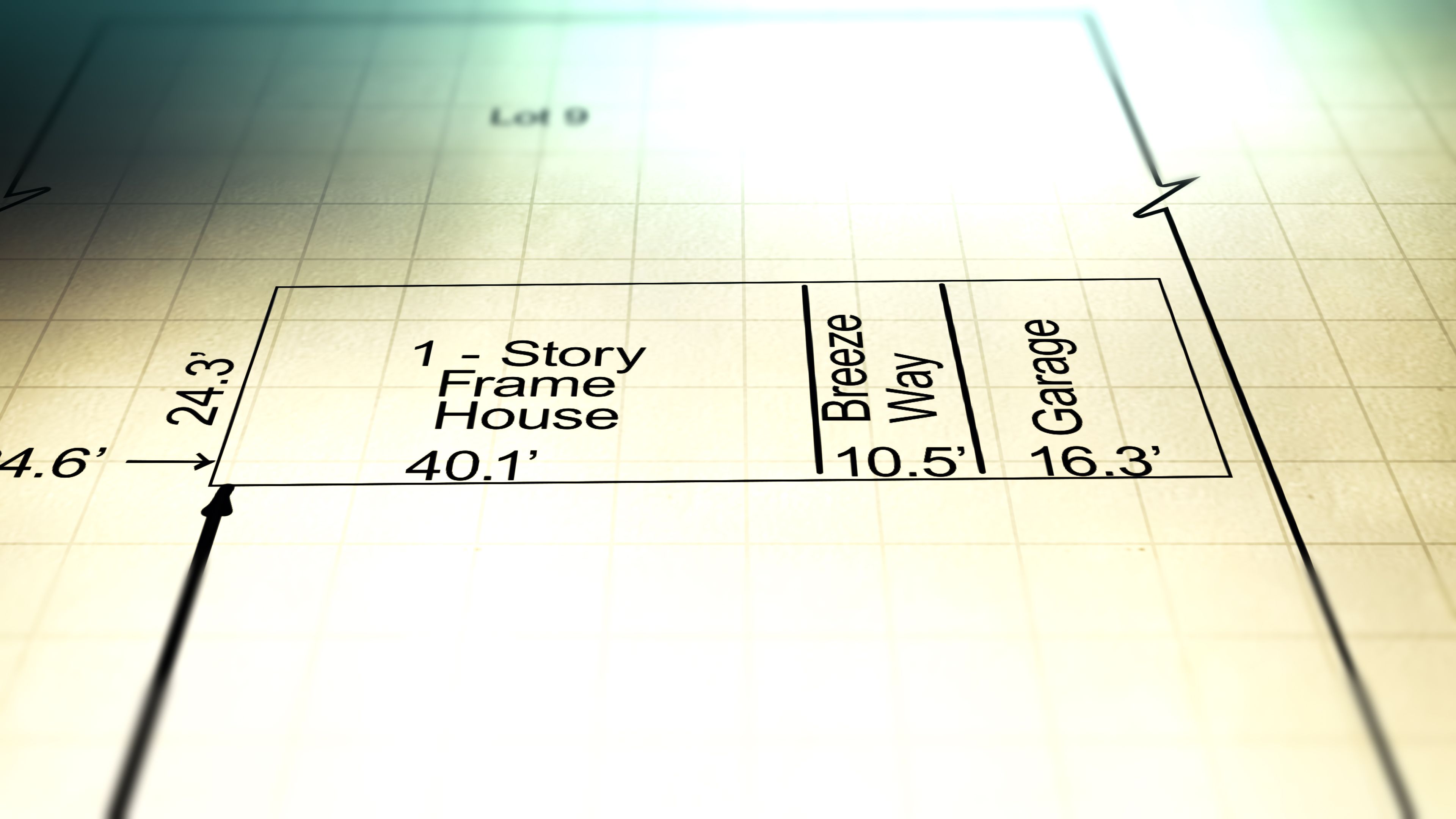
Before installing a new fence, it's crucial to know where your property lines are. This ensures that you won't accidentally encroach on your neighbor's land. You can find this information on your property deed or by consulting with a land surveyor. Having clear boundaries will prevent potential disputes and help you plan accurately.
Additionally, check local zoning laws and regulations to understand any restrictions on fence heights or styles. Compliance with these rules is essential for a smooth installation process.
Clearing the Area
Once you've established your property lines, the next step is to clear the area where the fence will be installed. Remove any debris, rocks, or vegetation that might obstruct the installation. This will provide a clean canvas for the fence builders and ensure the fence is installed evenly and securely.
Trimming Trees and Shrubs
Trim back any trees or shrubs that might interfere with the fence. Overgrown plants can make installation challenging and may cause damage to the fence in the future. Keeping vegetation in check will also improve the aesthetics of your yard once the fence is up.

Marking the Fence Line
After clearing the area, mark the fence line using stakes and string. This will give you a visual guide and help you measure distances accurately. Ensure the line is straight and follows the property boundaries you've established earlier.
Double-check the measurements to prevent mistakes that could lead to uneven sections or gaps in the fence. A well-planned fence line makes installation more efficient and results in a professional finish.
Planning for Gates and Access
Decide where you want to place gates for access to your yard. Consider convenience and practicality when choosing their locations. Ensure the gates are wide enough for any equipment or vehicles you might need to bring into your yard.
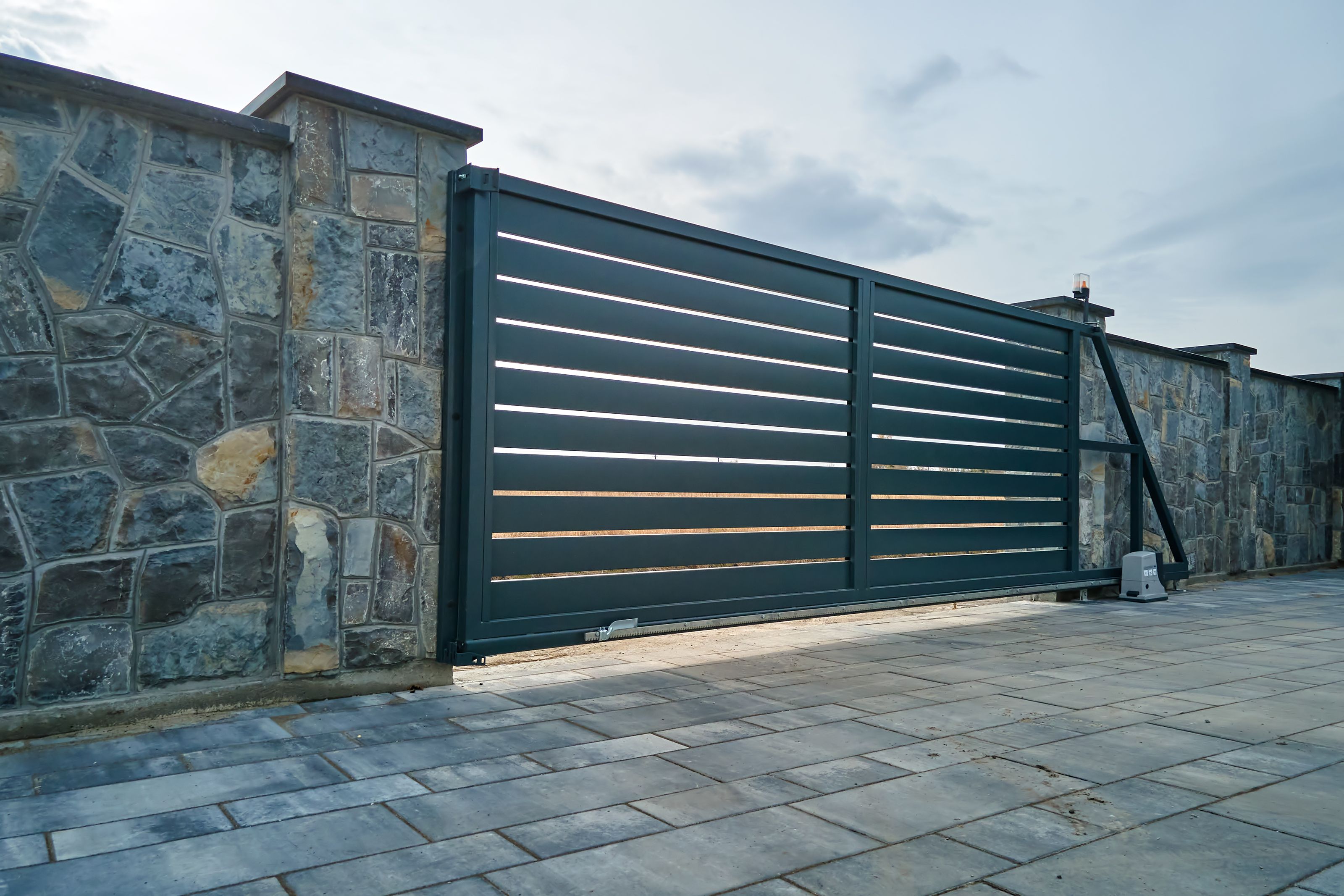
Plan for any additional features like lock systems or decorative elements to enhance both security and aesthetics. Proper planning at this stage will save time and effort during installation.
Preparing the Ground
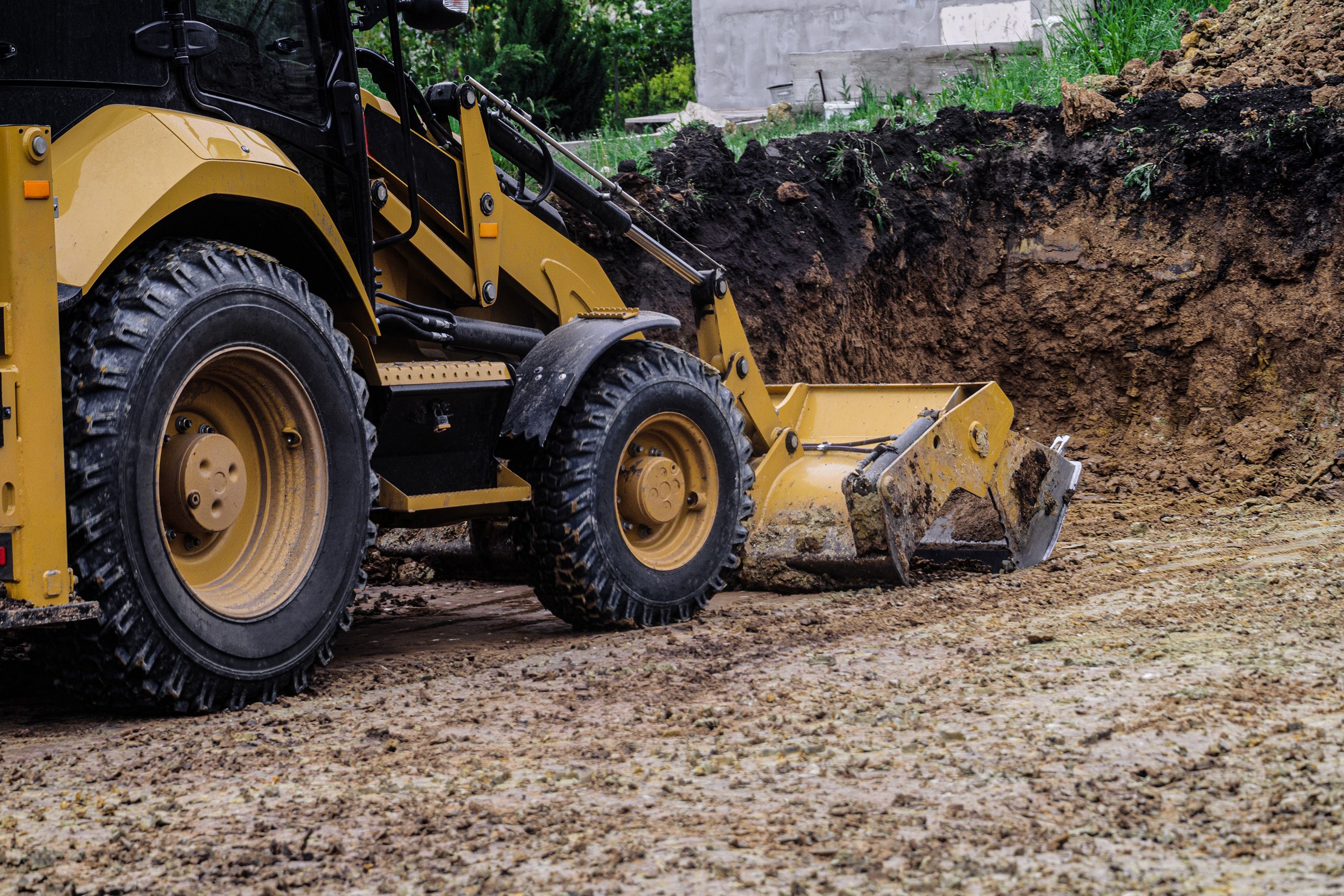
Level the ground along the fence line as much as possible. Uneven terrain can cause installation issues and may lead to a fence that looks crooked or unstable. Use a shovel or a rented earthmover for larger areas to achieve a smooth surface.
Soil Considerations
Consider the type of soil in your yard. Sandy or loose soil might require additional support for the fence posts, while rocky soil might necessitate special tools for digging. Understanding the soil conditions will help you prepare appropriately.
Consulting with Professionals
If you're unsure about any part of the preparation process, consider consulting with professional fence installers. They can provide valuable insights and ensure your yard is ready for a successful installation. Hiring experts can also save time and prevent costly mistakes.
By following these steps, you'll be well-prepared for your new fence installation, ensuring a smooth process and a durable, attractive fence for years to come.